

How to Start an Interior Design Business in 2026 (A Step-by-Step Guide)
Starting an interior design business is exciting — but it can also feel overwhelming fast. One minute you’re dreaming about projects, clients, and creative freedom, and the next you’re wondering where to even begin. Do you need a license? A website? A portfolio? What should come first?
The truth is, most interior designers don’t struggle because they lack talent. They struggle because no one ever lays out the business side in a clear, manageable way. And when everything feels important, it’s easy to get stuck doing nothing at all.
This guide is designed to change that.
Below, you’ll find a practical, step-by-step roadmap for starting an interior design business — from choosing your services and pricing, to building a professional website, setting up simple marketing systems, and creating a client process you can actually maintain. You don’t need to do everything at once, and you don’t need to have it all figured out before you begin.
Whether you’re starting from scratch or finally turning your design skills into a legitimate business, this guide will help you take the next right step — and then the one after that — with clarity and confidence.
Step 1: Decide What Type of Interior Design Business You Want to Build
Before you choose a business name or start a website, get clear on what “interior design business” means for you. There are so many paths within the industry, and clarity now will make every next step easier.
Ask yourself:
- Do you want to offer full-service interior design, e-design, consultations, styling, or a mix?
- Do you want residential, commercial, short-term rentals, or new builds?
- Do you want to work locally, virtually, or both?
You’re not locking yourself in forever — you’re simply choosing a starting point that helps you market clearly.
Step 2: Choose Your Services and Create a Simple Offer List
Once you know your direction, create a short list of offers. Keep this simple. Most interior designers do best when they start with 1–3 core services they can explain easily.
Examples:
- Design Consultation (1–2 Hours)
- E-Design Package (Virtual Design Plan)
- Full-Service Interior Design (Start to Finish)
This makes it much easier to write your website, talk about your work on social media, and guide inquiries.
Step 3: Set Your Pricing and Payment Structure
Pricing can feel intimidating, especially early on. But your pricing doesn’t have to be perfect — it needs to be thoughtful and sustainable.
Consider:
- Do you want to price hourly, flat-rate packages, or by room?
- Will you require a deposit to begin?
- Will you offer payment plans for larger projects?
A helpful place to start is to calculate your baseline monthly income goal, estimate how many projects you can realistically take on, and work backwards to create pricing that supports your time and energy.
Step 4: Name Your Business and Handle the Legal Basics
Now it’s time for the official foundation. Choose a business name that feels aligned with your style and is easy to say, spell, and remember. Then handle the basics:
- Register your business, based on your location.
- Apply for an EIN, if needed.
- Open a business bank account.
- Set up basic bookkeeping.
This step helps you separate business from personal finances and feel more confident moving forward.
Step 5: Create a Brand That Matches the Clients You Want
Branding isn’t about being trendy — it’s about being intentional. Your brand should reflect the type of experience you want clients to expect.
Start with:
- A simple logo.
- 2–3 brand colors.
- 2 font styles.
- A clear tone of voice: warm, elevated, minimal, bold, etc.
If you want to look established quickly, using professionally designed templates for your website and marketing can help you show up consistently from day one.
Step 6: Build Your Website and Portfolio
Even if you’re just starting out, you need a professional home online. Your website is where potential clients go to answer questions like: “Do I trust them?” and “Can I see their style?”
A strong interior design website typically includes:
- Home page with clear messaging.
- About page with a personal, client-centered story.
- Services page with what you offer and how it works.
- Portfolio page,
- Contact page with an inquiry form.
Showit is a great platform for interior designers because it’s visual, flexible, and easy to update. If you want the process to feel simpler, starting with a Showit website template helps you launch with a polished, elevated look without starting from scratch.
Step 7: Set Up a Simple Way to Get Leads
Once your website exists, you’ll want a way to turn visitors into future clients. This is where a lead magnet and email list can help.
A few easy lead magnet ideas for interior designers:
- “How to Create a Timeless Living Room” guide
- “Paint Color Cheat Sheet” or “Finish Selection Checklist”
- “The 5 Biggest Design Mistakes to Avoid” mini guide
Pair that with Flodesk so you can send a welcome email sequence and stay in touch with potential clients in a calm, intentional way.
Step 8: Choose Your Marketing Channels and Start Showing Up
You don’t need to market everywhere. Pick 1–2 channels you can maintain consistently.
Great places to start:
- Instagram, for visibility and connection.
- Pinterest, for long-term search traffic.
- Blogging, for Google visibility.
- Email marketing, for nurturing and booking.
Canva templates can make this feel much easier because you can create cohesive visuals quickly and avoid spending hours designing every post from scratch.
Step 9: Create a Basic Client Process You Can Repeat
One of the fastest ways to feel “legit” is to have a repeatable process.
At minimum, create:
- An inquiry form
- A discovery call flow
- A welcome email
- A contract and invoice system
- A project timeline
This doesn’t have to be complex — it just needs to be clear.
Step 10: Keep Improving as You Go
Your first version of everything won’t be your final version — and that’s a good thing. Your brand, offers, pricing, and marketing will evolve as you gain experience. The goal isn’t perfection. The goal is to start, learn, refine, and continue building a business that supports your life.
If you want the “simple but professional” route, templates can help you move faster while still showing up with a cohesive, elevated presence.

At Coastal Template Co, we believe your business deserves to shine online — without the overwhelm.
Backed by over 10 years of design expertise and a deep understanding of the interior design industry, we craft easy-to-customize templates that combine style and strategy.
Chosen by more than 3,000 interior designers, our templates help you showcase your work beautifully and market your business with confidence.
About Coastal Template Co.


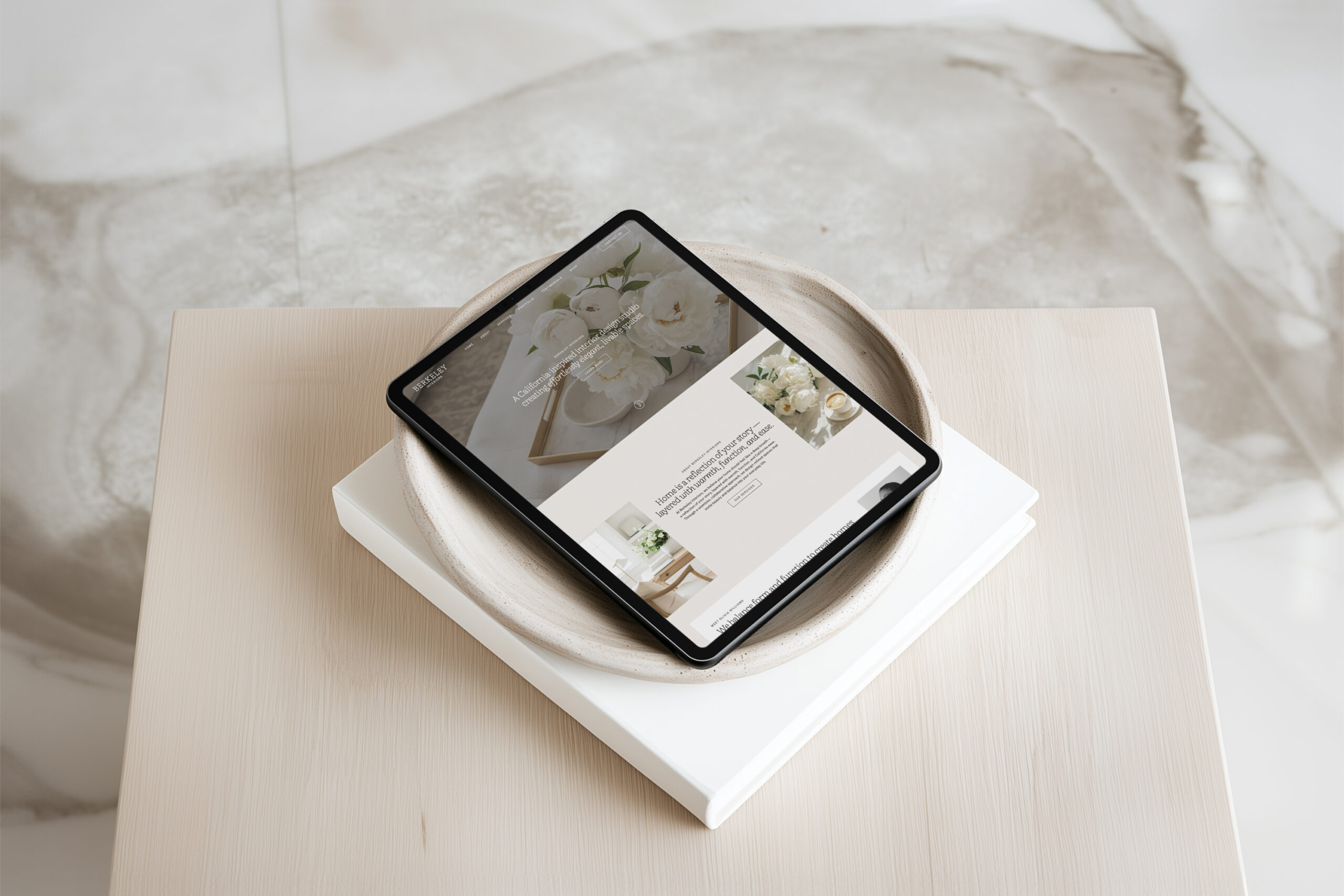
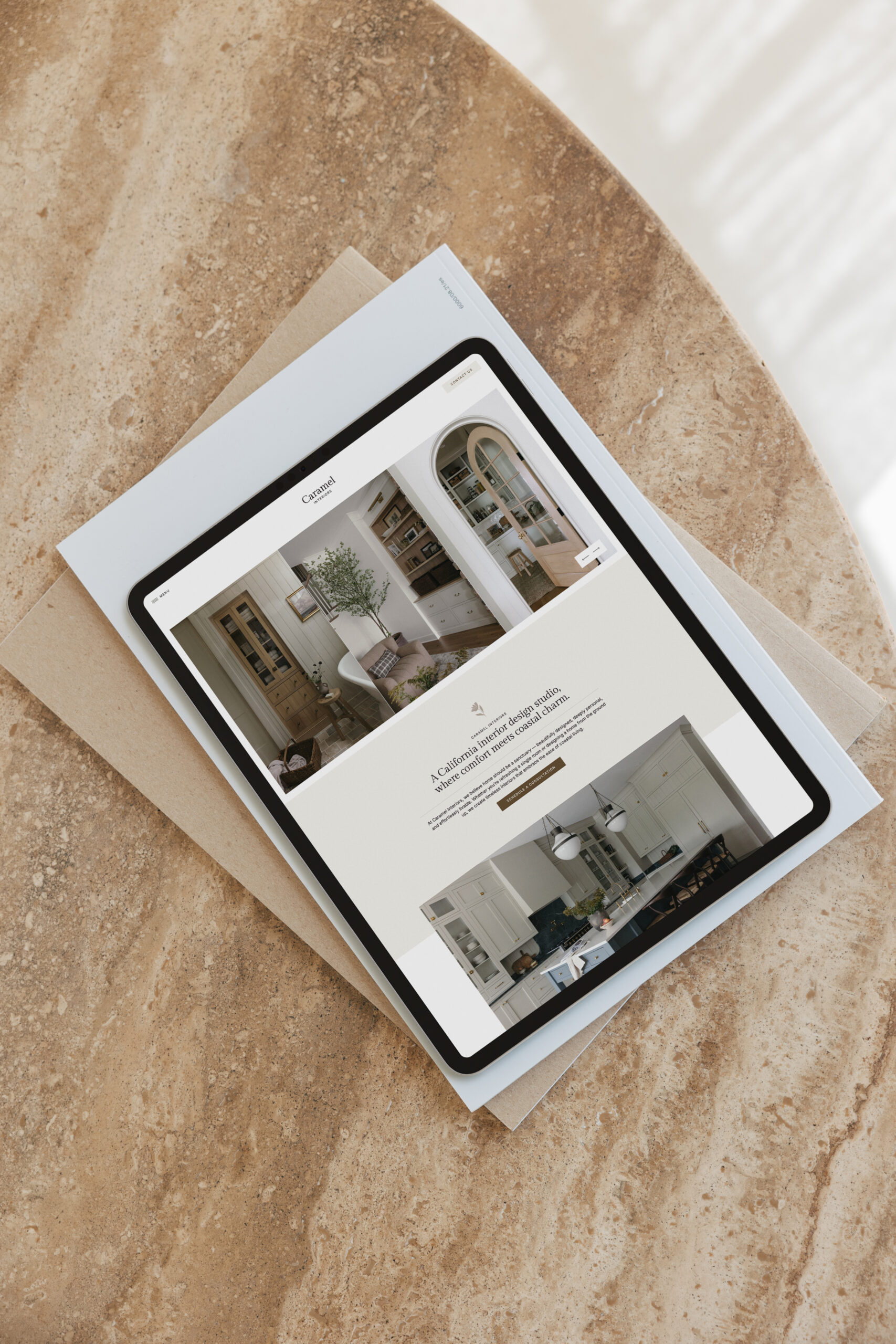
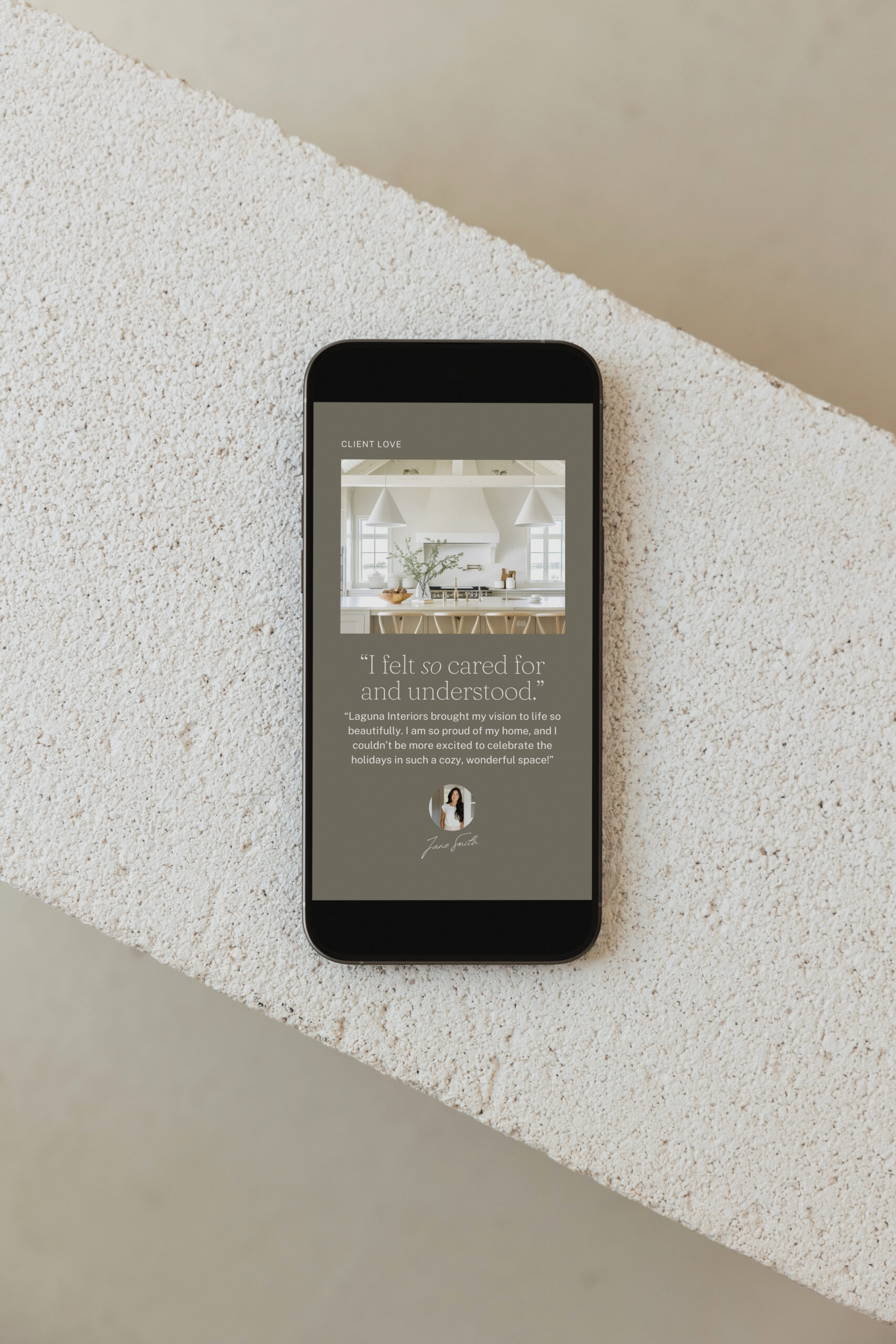


Rooted in simplicity and style, each template is designed to reflect the elevated, polished look your business deserves.
Timeless, elevated design.

No code, no overwhelm. Just easy-to-use templates with drag-and-drop features to help you customize and launch confidently.
Simple, stress-free customization.

Every template is thoughtfully created just for interior designers — with layouts, features, and visuals that feel like home.
Designed for interior designers.


